
Topic: Why Meal Prep Matters for Busy Lives
Brief Summary
In today’s fast-paced world, adopting meal prep as a strategic approach to healthy eating has become increasingly vital. As outlined throughout this blog post, meal prepping not only fosters consistency in dietary choices but also mitigates the stress often associated with spontaneous cooking or poor food selection. By dedicating specific times for planning and preparing meals, individuals can ensure that nutritious options are readily available, thereby supporting their long-term health and wellness goals. Key takeaways from the discussion emphasize the need for organization and intentionality in meal prep. Creating a structured plan, selecting diverse and balanced recipes, and utilizing efficient cooking methods can significantly transform one’s dietary habits. Furthermore, it encourages individuals to become more mindful of their eating patterns and nutritional intake. This proactive approach leads to improved overall health outcomes, as one is less likely to resort to unhealthy, convenience foods.
Moreover, the psychological benefits of meal prepping should not be overlooked. The act of preparing meals in advance can cultivate a sense of control and accomplishment, which in turn elevates motivation to maintain healthy eating habits. Embracing meal prep can easily pivot one’s mindset from a reactive to a proactive stance regarding nutrition. As individuals make this shift, they often find that meal prep becomes a fulfilling and rewarding part of their routine, rather than a chore. Ultimately, incorporating meal prep into daily life serves as a powerful tool to promote healthy choices, create a balanced lifestyle, and achieve wellness aspirations. By making meal prep a regular practice, individuals can enhance both their physical health and mental well-being, paving the way for a stress-free and health-oriented lifestyle.
Introduction: Why Meal Prep Matters for Busy Lives
In today’s fast-paced world, many individuals struggle to maintain a healthy diet due to the demands of their busy lives. Meal preparation, or meal prep, has emerged as a practical solution to this challenge. By planning and preparing meals in advance, individuals can enjoy numerous benefits that ultimately contribute to a healthier lifestyle. Meal prep allows for efficient use of time, minimizes daily stress, and supports one’s health and wellness goals.
At its core, meal prepping involves the strategic organization of meals and snacks for the week ahead, ensuring easy access to nutritious options. This process not only saves time during hectic weekdays but also eliminates the last-minute scramble for unhealthy takeout options. For individuals juggling work, family, and social commitments, establishing a meal prep routine can significantly enhance their ability to make healthier food choices. Notably, this practice fits seamlessly with the mission of the Time Crunch Health Foundation, which advocates for ‘health made simple’ in the lives of those with limited time to spare.
Moreover, meal prep plays a crucial role in reducing food-related stress. When meals are meticulously organized, individuals can avoid the anxiety associated with daily cooking or unhealthy eating habits. This foresight not only streamlines the week’s schedule but also fosters a more mindful approach to food consumption. The commitment to healthy eating is reinforced as individuals take the proactive steps of incorporating wholesome ingredients into their meals.
Ultimately, mastering meal prep equips busy individuals with the tools necessary to thrive amidst their packed schedules. By investing a few hours each week in meal planning and preparation, one can achieve lasting benefits that extend beyond just nutrition, paving the way for a more balanced and health-conscious lifestyle.
Benefits of Meal Prepping for Wellness

Meal prepping has emerged as a powerful strategy for promoting wellness, particularly given the fast-paced lifestyles many people lead today. One of the most notable benefits of meal prepping is its ability to enhance nutritional quality. When individuals take the time to plan and prepare their meals, they are more likely to incorporate a variety of wholesome ingredients, thereby ensuring that their diet is rich in essential nutrients. This proactive approach allows for the inclusion of fresh vegetables, lean proteins, and whole grains, all of which contribute significantly to overall health.
Portion control is another critical aspect of meal prepping that plays a vital role in wellness. By pre-portioned meals, individuals can avoid the common pitfalls of overeating or indulging in unhealthy snacks. Proper portion sizes foster awareness of caloric intake and support weight management goals. As meals are predetermined and prepared in advance, the temptation to order takeout or consume convenience foods diminishes, ultimately leading to healthier choices and better overall dietary habits.
Furthermore, meal prepping can significantly enhance mental well-being. The act of organizing and preparing meals not only provides a sense of accomplishment but also alleviates stress associated with last-minute cooking or deciding what to eat. When meals are prepared ahead of time, individuals can enjoy the peace of mind that comes from knowing they have nutritious options readily available, reducing the anxiety that often accompanies a busy schedule.
In addition to these benefits, meal prepping encourages mindfulness regarding food choices. It fosters a deeper connection with what one consumes, as individuals become more aware of the ingredients and methods in their meals. This conscious approach to eating can lead to more sustainable habits that promote long-term health and well-being, ultimately making healthy eating both manageable and enjoyable.
Batch Cooking: Techniques for Efficiency
Batch cooking is a highly effective strategy for those looking to streamline their meal preparation process while ensuring that nutritious options are readily available throughout the week. By organizing cooking tasks efficiently, individuals can save time and reduce the temptation to indulge in less healthy takeout options, making it an essential component of a successful meal prep routine.
One of the core techniques of batch cooking is overlapping ingredients. This involves preparing multiple meals that utilize the same core ingredients. For instance, roasting a large batch of vegetables can serve as a base for various dishes throughout the week, such as salads, grain bowls, or as a side to proteins. By cooking ingredients in bulk, you not only minimize food waste but also decrease the overall cooking time, allowing for a more efficient meal prep session.
Additionally, employing one-pot recipes can significantly aid in simplifying the cooking process. Meals such as stir-fries, soups, and casseroles require minimal cleanup and allow for the simultaneous cooking of various food components. This means you can combine proteins, vegetables, and grains in a single pot, ultimately reducing the time spent in the kitchen while yielding satisfying and wholesome meals.
Cooking in bulk is another vital technique associated with batch cooking. This can be particularly effective for staples such as grains and proteins. Preparing a large quantity of quinoa, brown rice, or chicken at once not only expedites the cooking process but also ensures that your refrigerator is stocked with versatile items that can easily be assembled into a variety of meals. With these ingredients at hand, weeknight dinners become a breezy affair, ensuring that healthy eating remains a priority amidst busy schedules.
Storing and Reheating Meals Safely:
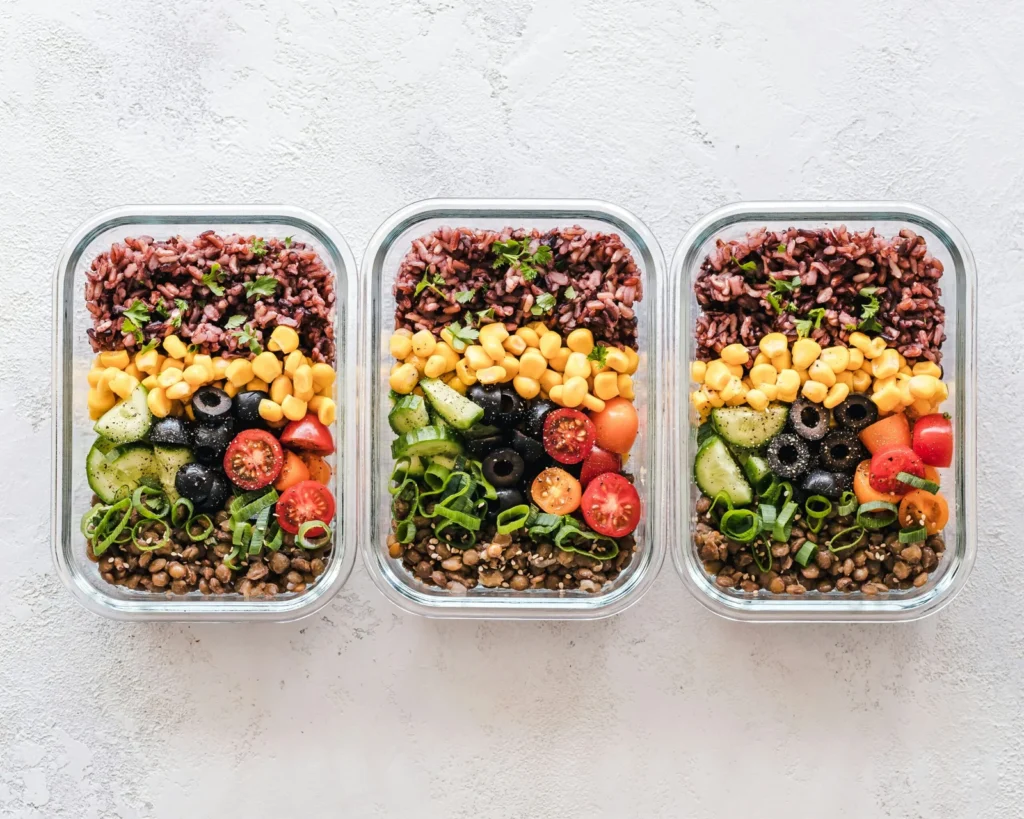
Meal prep is not just about cooking; it also involves proper storage and reheating techniques to ensure that the food maintains its safety and quality. When it comes to storing meals, the first step is to cool down prepared food to room temperature before transitioning it to the refrigerator or freezer. This process helps prevent the growth of harmful bacteria. Ideally, meals should be stored in airtight containers to minimize exposure to air, which can lead to spoilage.
The recommended storage times for refrigerated meals typically range from three to four days. If you plan to extend the shelf life of your meals, freezing is an excellent option. Most meals can be safely frozen for up to three months without significant loss of flavor or texture. For best results, label containers with the date of preparation, as well as any relevant information about the contents. This practice not only keeps your freezer organized but also helps ensure that you consume food while it is still at its best quality.
When it comes to reheating meals, maintaining safe temperatures is critical. The USDA recommends reheating food to an internal temperature of 165°F (74°C) to eliminate potential pathogens. Microwaving, stovetop cooking, and oven reheating are effective methods, but care should be taken to avoid overheating, which can compromise texture and flavor. For example, when using a microwave, stirring food halfway through the reheating process can help distribute heat evenly and prevent cold spots. Alternatively, reheating in an oven can provide a crispier texture, especially for items like casseroles or baked dishes.
In summary, mastering meal storage and reheating techniques is vital for ensuring both safety and quality in meal prep. By adhering to recommended storage times and safe reheating practices, individuals can enjoy their meals while minimizing health risks.

Adapting Meal Prep for Special Diets
Meal prepping can be a highly effective strategy for maintaining healthy eating habits, and it can be easily adapted to meet a wide variety of dietary needs. Whether one follows a vegetarian, vegan, gluten-free, or ketogenic diet, the principles of meal prep can be modified to ensure that specific requirements are met while still enjoying delicious and nutritious meals.
For those adopting a vegetarian or vegan diet, focus on incorporating a variety of plant-based proteins, such as lentils, chickpeas, and quinoa. These ingredients can be the foundation for numerous dishes, from hearty stews to vibrant salads. Prepping vegetables like bell peppers, zucchini, and kale in advance allows for quick assembly of meals throughout the week. Consider preparing a batch of homemade vegan chili or vegetable stir-fry that can be stored and easily reheated. Furthermore, exploring product substitutes, such as nutritional yeast in place of cheese, can enhance flavors without compromising dietary standards.
Individuals who require gluten-free meals may benefit from adapting traditional recipes by substituting wheat-based ingredients with gluten-free alternatives, such as brown rice, quinoa, and gluten-free pasta. Additionally, it is essential to read labels when selecting pre-packaged items, as some foods can contain hidden gluten. A good practice is to stock a pantry with gluten-free grains and legumes, allowing for the creation of diverse and satisfying meals that cater to gluten sensitivity.For those on the ketogenic diet, meal prepping involves an emphasis on low-carbohydrate options.
One can prepare vessels of roasted vegetables alongside protein sources such as chicken, beef, or tofu, all flavored with keto-friendly spices and herbs. Incorporating healthy fats, such as avocados and olive oil, can further enhance meals while adhering to dietary restrictions. With awareness of ingredient ratios, keto-friendly snacks, such as cheese crisps or nut butter with celery, can also be easily prepped for a quick grab-and-go option. Ultimately, adapting meal prep techniques to fit different dietary preferences not only promotes better health but also simplifies meal organization. By planning ahead and utilizing versatile ingredients, individuals can ensure they remain committed to their dietary goals while enjoying satisfying meals.
Overcoming Common Meal Prep Challenges
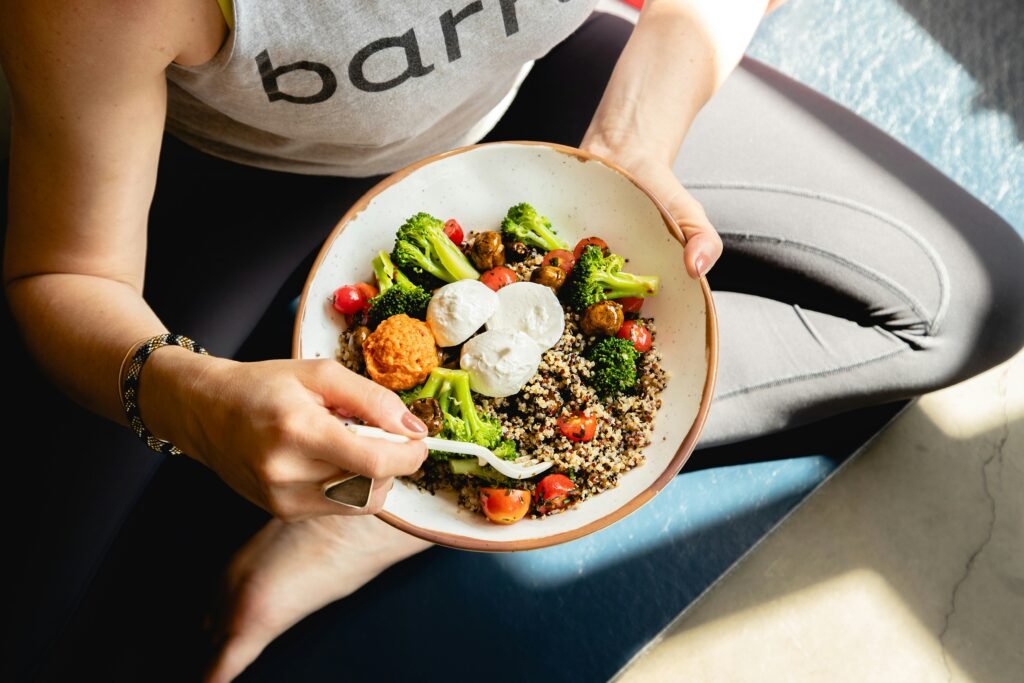
Meal prepping can provide numerous advantages, particularly for individuals seeking to maintain a healthy diet. However, beginners often encounter various challenges that can deter them from fully committing to this practice. Understanding and addressing these obstacles is crucial for successful meal preparation.
One predominant challenge faced by those new to meal prepping is time constraints. In today’s fast-paced environment, allocating a significant block of time to prepare meals can seem daunting. However, an effective solution lies in efficient planning and organization. Allocating a set time each week to prepare meals—typically on a less busy day—can help to streamline the process. For example, dedicating Sunday afternoons to meal prep can result in a week’s worth of ready-to-eat dishes, easing nightly cooking pressure.
Another challenge is the lack of motivation that often arises. Starting a new routine can feel overwhelming, resulting in waning enthusiasm. To combat this, incorporating variety and creativity into meal prep can enhance motivation. Experimenting with different recipes or cuisines can make meal prep more enjoyable. Additionally, involving family or friends in the process can provide social support, motivating individuals to stick to their plans and keep each other accountable.
Ingredient waste is also a significant concern for many new meal preppers. Unused fresh produce can quickly lead to frustration and guilt over wasted food. To mitigate this, individuals should focus on recipes that incorporate similar ingredients, thus maximizing usage. Moreover, investing in proper storage containers can extend the longevity of prepared meals, allowing for meal rotation and reducing potential waste. Using frozen meals or prepped ingredients can also extend shelf life, ensuring nothing goes to waste.
By acknowledging and addressing these common meal prep challenges, individuals can enhance their commitment to this practice, ultimately leading to healthier eating habits and better time management.